Hyundai has successfully positioned itself as the premium alternative to Maruti Suzuki in India. If Maruti is the default choice for pure utility and maximum mileage, Hyundai is where buyers go when they want a silent cabin, a massive feature list, and a touch of luxury without paying European maintenance bills.
From the entry-level Grand i10 Nios to the flagship Ioniq 5, the brand’s DNA is highly consistent: butter-smooth engines, incredibly light steering that makes city driving effortless, and dashboard plastics that feel a segment above their price tag. They are the undeniable market leaders in bringing premium tech—like ventilated seats, panoramic sunroofs, and Level-2 ADAS—to the masses.
However, you must know the trade-offs. Hyundai’s suspensions are tuned softly to absorb broken city roads silently, which means they can feel slightly bouncy at triple-digit highway speeds compared to German rivals. The steering, while a blessing in traffic, often feels dead and lacks feedback on the expressway (unless you buy their sporty N-Line variants). But if you want a silent cabin, stress-free automatic transmissions, and rock-solid resale value across their entire lineup, Hyundai remains the safest, most feature-rich bet in the country.
Who Should Buy a Hyundai?
-
The Tech-Forward Buyer: If your priority is a crisp touchscreen, digital dials, ventilated seats, and premium audio (Bose), Hyundai offers the best cabin electronics in the non-luxury segment.
-
The Heavy City Commuter: Their extremely light steering, smooth automatic gearboxes (IVT and AMT), and silent petrol engines make them the least fatiguing cars to drive in heavy Indian traffic.
-
The Sensible Upgrader: If you are tired of the basic, cost-cutting feel of entry-level cars but don’t want the massive service bills of a Jeep or Volkswagen, Hyundai hits the perfect middle ground.
Who Should AVOID a Hyundai?
-
The Hardcore Driving Enthusiast: Unless you are buying the specific N-Line variants or the Verna Turbo, standard Hyundai cars prioritize comfort over sharp, aggressive handling.
-
Buyers Wanting a “Tank-Like” Build: If your primary concern is the heavy, door-thud confidence of a Tata Safari or Mahindra XUV700, Hyundai’s lighter, efficiency-focused sheet metal will feel underwhelming.
The Reality Check: Brand Pros & Cons
The Good
-
Segment-Leading Interiors: Dashboard plastics, switchgear, and seat fabrics consistently feel more premium than direct rivals.
-
Engine Refinement: The 1.2L naturally aspirated petrol and 1.5L diesel engines are benchmarks for low noise and vibration.
-
Standardized Safety Tech: Hyundai recently aggressively standardized 6 airbags across every single car in their lineup, from the Exter to the Tucson.
-
Resale Value: A 5-year-old Creta, Venue, or i20 will sell faster and command a higher percentage of its original price than almost anything else on the market.
-
Service Network: Second only to Maruti. You will easily find an authorized service center or a mechanic who knows the engines perfectly in every Tier-2 and Tier-3 city.
The Bad
-
Soft High-Speed Ride: The suspension is tuned for city potholes. Above 100kmph, models like the Aura, Nios, and Venue can feel floaty or nervous.
-
Polarizing Designs: Hyundai’s recent design language (massive grilles, split headlights, LED lightbars) is highly aggressive and often divides buyer opinion.
-
Turbo-Petrol Mileage: Their 1.0L and 1.5L turbo engines are incredibly fun, but if you drive them aggressively, fuel efficiency drops drastically compared to their naturally aspirated counterparts.
Portfolio Breakdown: Which Hyundai Should You Actually Buy?
1. The Urban Commuters (Entry-Level & Hatchbacks)
-
Grand i10 Nios & Aura: Buy these if you want the easiest, most refined daily commute possible. The Aura adds a massive boot and an excellent factory CNG option for high-mileage drivers.
-
Exter: Buy this if you want the footprint of a hatchback but need the ground clearance of an SUV to survive terrible city roads.
-
i20: The default premium hatchback. Buy this if you want the features of a segment-above sedan but only have parking space for a hatchback.
2. The Core SUVs (Where Hyundai Dominates)
-
Venue: The sensible sub-compact SUV. Sharp looks, great tech, and a punchy turbo option, though rear-seat space is slightly tight.
-
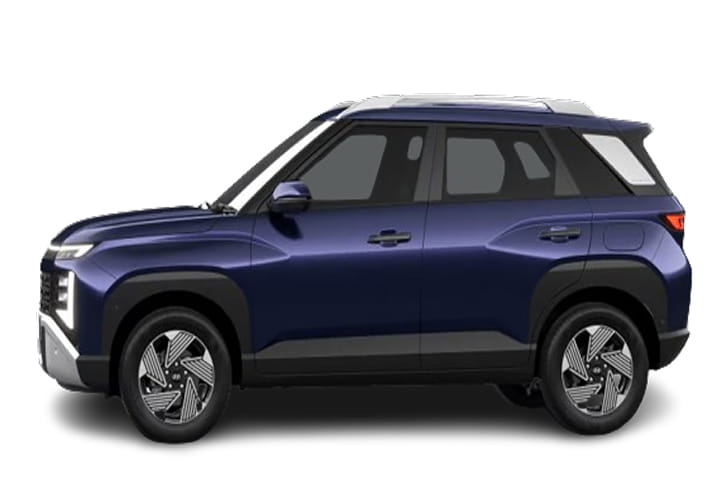
Creta: The undisputed king of the mid-size segment. Buy this if you want maximum status, a panoramic sunroof, and a velvety smooth ride. It is the default family upgrade.
-
Alcazar: A stretched Creta with a third row. Skip the 7-seater; buy the 6-seater version with captain seats for a genuine luxury-car feel on long road trips.
3. The Performance & Enthusiast Range
-
The N-Line Series (i20, Venue, Creta): Hyundai’s answer to driving enthusiasts. They feature heavily stiffened suspensions, weighted steering wheels, and throaty exhausts. Buy these if you hate floaty ride quality and want a car that corners flat.
-
Verna: The sedan that refuses to die. Buy the Turbo DCT variant if you want explosive, segment-leading straight-line speed wrapped in a futuristic design.
4. The EV Transition
-
Creta EV: The safe bet for transitioning to electric. You get the familiar, trusted Creta experience with zero engine noise and significantly lower running costs.
-
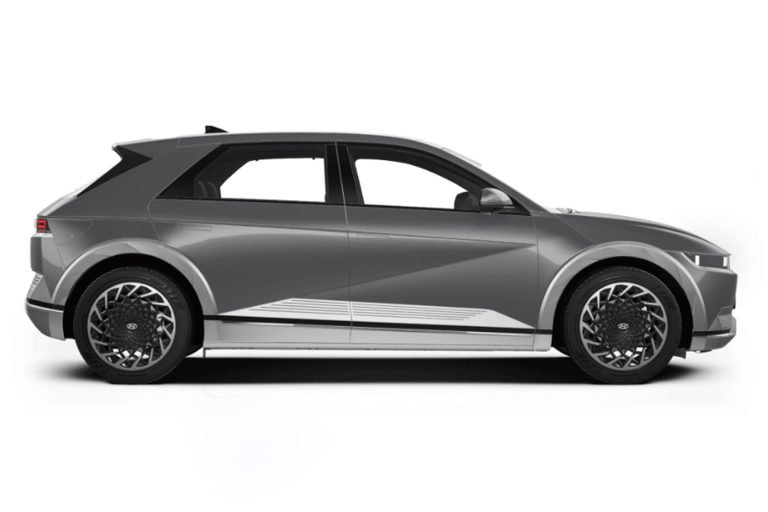
Ioniq 5: The flagship halo car. Buy this if you have the budget and want a retro-futuristic masterpiece with ultra-fast charging and lounge-like interior space.