

Schaltwagen is the German word for manual cars. Unlike an automatic car, which automatically changes gears, a Schaltwagen will need to have its gears changed manually by the use of a gear stick and clutch pedals. There are still manual cars available in Germany, especially when it comes to compact cars, even though more automatic transmissions are now being used.
Learning how a Schaltwagen works will help drivers make the right choice of the transmission they want.
What is a Schaltwagen?

A Schaltwagen is a car that features a manual gearbox. Gear shifts are done by the driver based on the speed of the car, engine revolutions, and driving conditions.
Conventional manual cars come with a clutch pedal, gear lever, and either five or six forward gears. The function of the clutch is to temporarily decouple the engine from the transmission system for easy gear shifting.
How does a Schaltwagen Work?

Manual Transmission works on the principle of gear ratios at varying speeds.
First gear – Enables the vehicle movement from stationary position.
Second and Third gears – Help accelerate the speed at low and moderate speed respectively.
Higher gears – Enable effective cruising at faster speed.
Reverse gear – Gear to move the vehicle in reverse direction.
The driver steps on the clutch, selects appropriate gear and slowly moves off the clutch with the acceleration pedal.
Benefits of Driving a Schaltwagen
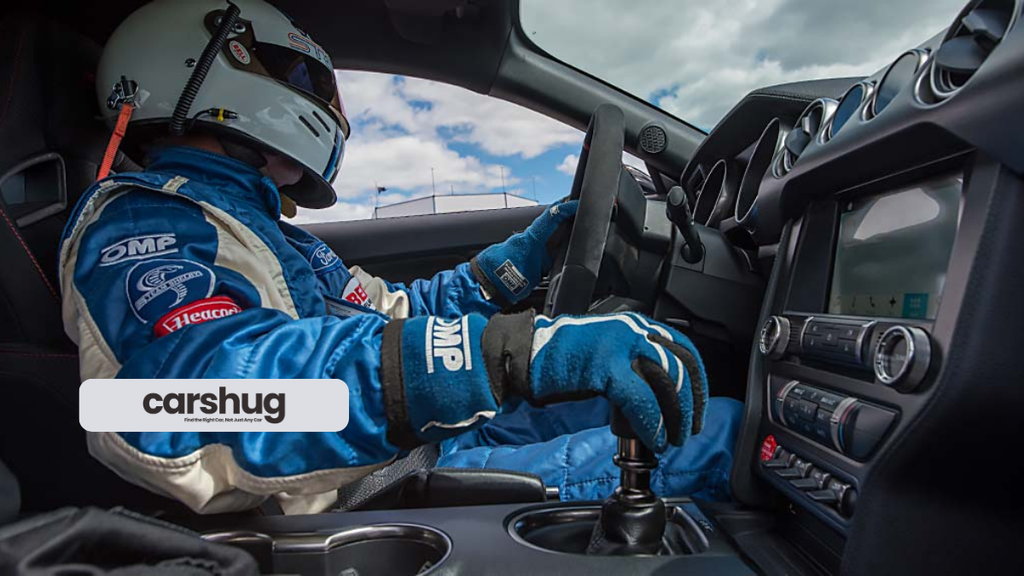
There are several practical advantages of using manual cars, depending on the particular car and driving conditions.
Cost: Manual versions tend to be cheaper than the corresponding automatic versions.
Control: The driver decides when to shift gears.
Simple mechanics: Traditional manual gearboxes are often not too complex in their design.
Driver involvement: Some drivers appreciate the direct interaction with the clutch and gearstick.
But fuel efficiency is determined by the engine, gearbox design, and driving style. A manual car is not necessarily more economical than an automatic one.
Manual Car Drawbacks
The main disadvantage is the extra work that the driver must do. Repeated pressing of the clutch pedal can get tiresome during traffic jams in Germany.
New drivers will have to spend some time learning how to start the car and switch gears properly. Improper use of the clutch can lead to its fast wear and tear, and improper gear switching can affect acceleration and fuel consumption.
Schaltwagen or Automatic: What’s Different?
| Feature | Schaltwagen | Automatic |
| Gear changes | Driver-controlled | Usually automatic |
| Clutch pedal | Usually present | Absent in conventional automatics |
| City traffic | Requires more effort | Generally more convenient |
| Driver involvement | Higher | Lower |
| Purchase cost | Often lower | May cost more |
Modern automatic gearboxes can be very efficient and effective. It all depends on the car itself and personal preferences.
Indian Interest: Do People Still Prefer Manual Cars in India?
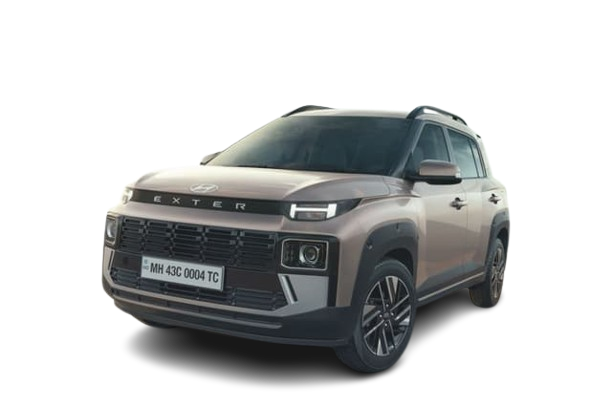
We at Carshug have determined that manual-transmission cars have retain their relevance within the Indian automobile sector, especially when targeting low-budget consumers. Cars like the Maruti Suzuki Swift, Tata Punch, Hyundai Exter and Maruti Suzuki Brezza come with manual transmission models among others. Manual cars tend to have a lower cost at the point of purchase than their automatic alternatives, hence appealing to first-time car buyers and low-budget families.
Nevertheless, automatic cars are increasingly being preferred by individuals who experience congested roads on a daily basis. According to sources, manual transmissions comprised 72% of used cars sales in 2025 while automatics formed 28%. This is an indication that despite changing preferences, manual cars have continued to feature in India’s used car market.
To the Indian driver, a Schaltwagen is recommended if affordability, direct manipulation and familiarity with the car are some of the issues of interest. An automatic car is advisable to the person with a prolonged commute in congested roads.
FAQs
What does Schaltwagen mean in English?
The term ‘Schaltwagen’ refers to a car with a manual transmission or a manual gearbox.
Is a Schaltwagen harder to drive?
Yes, it might seem difficult at first because drivers need to work in conjunction with their clutch, accelerators, and gear shifters. With time, it becomes easier.
Is a Schaltwagen less expensive than an automatic one?
Manual models usually come cheaper, although that depends upon the brand and type of powertrain available.
Are manual cars still available in Germany?
Yes. Some new models come with manual transmission systems, especially in small vehicle segments.
Conclusion
The Schaltwagen makes drivers in charge of shifting gears, and is therefore not just an effective but also a reasonably priced choice of vehicle to own. Yet, controlling the clutch and changing gears is more complicated than driving the automatic.
Drivers who prefer a greater participation role might still consider buying the Schaltwagen. Those who value convenience, particularly when driving in heavy traffic, should opt for the automatic car.