The Quick Verdict
Maruti Suzuki is not the most exciting brand in India. It will never win a design award or make automotive journalists lose sleep. What it will do is start every morning, return honest mileage, cost next to nothing to fix, and hold its resale value better than almost any rival. That is why it has sold more cars in India than anyone else — over 19 lakh vehicles in FY25 alone, with a 40 percent market share that nobody is seriously threatening.
If you are buying your first car, your second car, or a car for someone in the family who just needs something dependable, Maruti belongs on the shortlist.
Who Should Buy a Maruti Suzuki?
-
First-time buyers on a tight budget: The Alto K10 and S-Presso start under ₹4 lakh and are the most forgiving cars to learn on. Parts cost almost nothing and every mechanic in the country can fix them.
-
High-mileage daily commuters: The CNG lineup is the largest of any brand in India. If you are driving 60-80km a day in the city, a Maruti CNG variant will cut your fuel bills roughly in half compared to a petrol car.
-
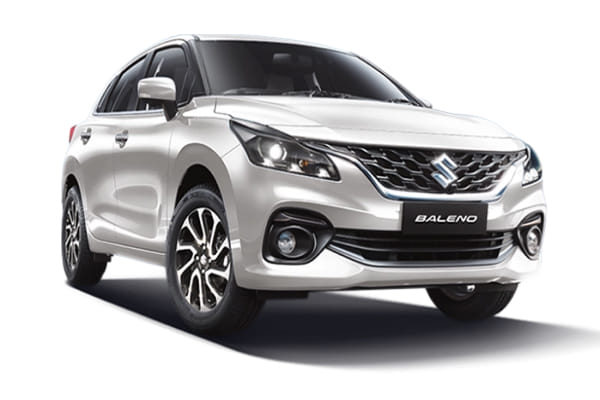
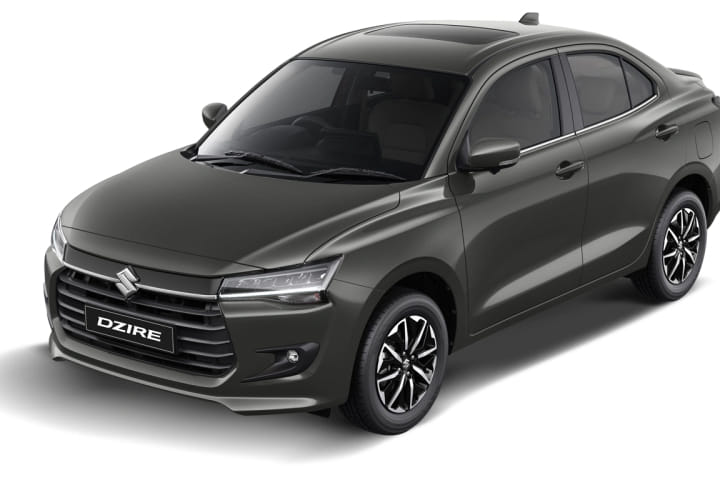
Families wanting one reliable car: The Swift, Baleno, and Dzire are the backbone of middle-class India for a reason. Low servicing costs, a massive service network, and resale value that still makes sense 5 years later.
-
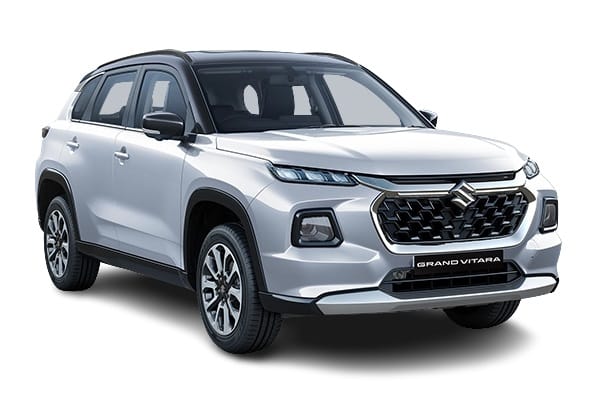
Heavy highway commuters: The Grand Vitara Strong Hybrid and the Victoris are genuinely impressive machines for high-mileage drivers. The fuel savings over 3-4 years easily offset the premium you pay upfront.
Which Maruti Is Right For You?
-
Best for the tightest budget: The S-Presso at ₹3.50 lakh, closely followed by the Alto K10. Both are strictly city-only machines, but for getting from A to B economically, nothing touches them.
-
Best fuel economy: The Victoris Strong Hybrid at 28.65 kmpl claimed. In real-world city driving expect 22-24 kmpl, which is still remarkable for an SUV.
-
Best all-round hatchback: The Swift. It has a punchy engine, planted handling, and strong resale. If you have never owned a car before, this is the one to start with.
-
Best premium hatchback: The Baleno. It offers more rear legroom than the Swift, a smoother ride, and a slightly more upmarket cabin.
-
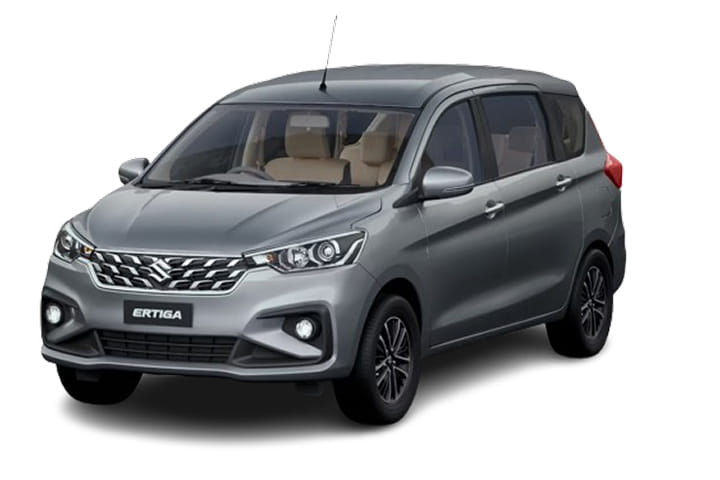
Best 7-seater on a budget: The Ertiga. It seats 7 decently, runs on CNG, and costs half of what an Innova does. Fleet operators have been buying it for a decade for good reason.
-
Best for off-road: The Jimny. Narrow, light, true 4×4, and genuinely capable. It is not ideal for daily commuting, but it is brilliant if you actually use it for what it is built for.
What’s Coming from Maruti Suzuki?
Maruti is preparing its EV assault. The upcoming e Vitara will be Maruti’s first proper electric vehicle for the Indian market. The SUV body style and Maruti’s service network are the main selling points, though the company is currently focusing on building out charging infrastructure and EV-specific workshops before committing to an official launch date. Updates to the Brezza, alongside speculated EV variants of the Fronx and Jimny, are also on the horizon.
The Honest Bottom Line
Should you buy a Maruti in 2026? If reliability, running costs, and resale value are your three biggest filters—yes, without much hesitation. Maruti wins all three categories more consistently than any other brand.
The honest caveats: build quality across the lineup feels lighter than its Tata or Mahindra rivals. Safety ratings for entry-level models are not the strongest, and the interiors rarely feel premium, even in top trims. These are real trade-offs. But for the majority of Indian buyers who drive in heavy city traffic, keep a car for 5-7 years, and care deeply about running costs, Maruti continues to make the most practical sense.