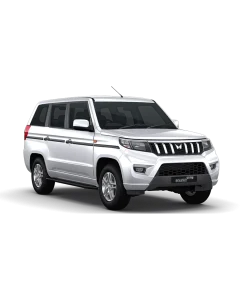
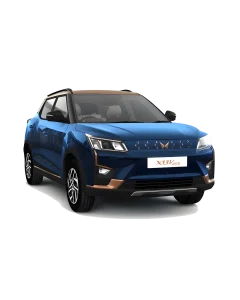
The Marazzo is the most underrated MPV in India. It features a unique body-on-frame architecture with front-wheel drive, resulting in an incredibly quiet cabin and a plush ride that rival MPVs simply cannot match. If you want a heavy, incredibly spacious people-mover that prioritizes sheer passenger comfort over aggressive SUV styling, the Marazzo is a phenomenal sleeper hit.
Mahindra Marazzo price starts at ₹ 14.06 Lakh and goes upto ₹ 16.38 Lakh (Avg. Ex-Showroom, Delhi). It is offered in 6 variants. The base model is Mahindra Marazzo M2 8 Seater and the top model is Mahindra Marazzo M6+ 8 Seater.


Skip the base M2 8 Seater variant as it feels far too bare-bones and misses out on the crucial tech features that define this car. The M4+ 8 Seater makes far more sense if you want essential tech and safety without inflating your EMI. Stretch to the M6+ 8 Seater only if you genuinely demand the flagship experience with premium luxury touches.
Swipe to compare specs side-by-side.
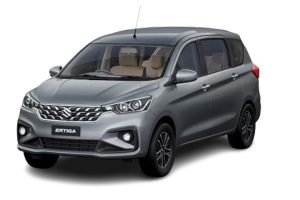

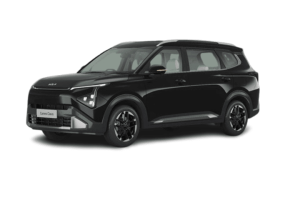

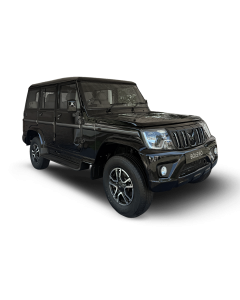
Owners heavily favor the sheer road presence and heavy, planted feel that provides immense confidence. However, once the initial excitement fades, drivers frequently note that maneuvering such a heavy vehicle in tight city traffic is stressful, and minor software or ergonomic quirks require getting used to.
Yes, heavy localization means parts are widely available across the network.
Yes, the heavy suspension is specifically tuned to absorb broken roads without unsettling the cabin.
Demand remains strong; expect wait times ranging from 4 to 8 weeks.
Routine servicing falls within standard segment rates, making it reasonably predictable.
Expect standard segment efficiency, though heavy city traffic will noticeably lower the figures.
Yes, if you skip the mid-to-high trims, you will completely miss out on the advanced screens and safety tech.
Expect premiums to align with standard segment rates for a comprehensive first-year policy.
Yes, its heavy chassis and structural design make it feel noticeably more planted and secure at high speeds.
It holds its value well, heavily driven by strong secondary market demand for reliable utility vehicles.