
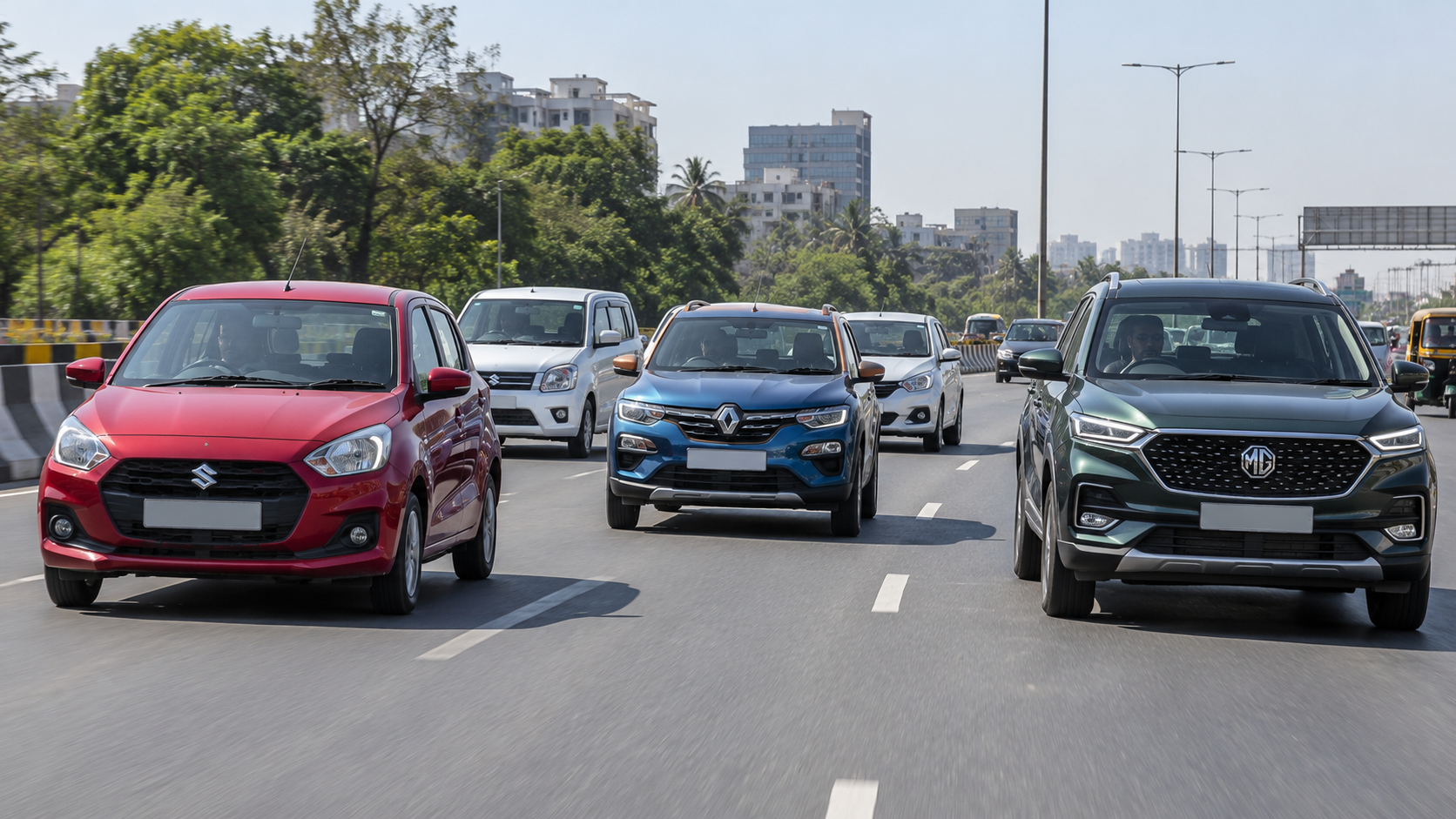
The Indian auto industry witnessed its best-ever September in 2026; however, FADA has issued a warning that higher vehicle prices may pose a risk to the growth rate. According to the latest retail data released by FADA, total vehicle registrations stood at 25.37 lakh units for September, reflecting a year-on-year increase of 31.82%.
However, last year’s GST 2.0 cut had impacted the comparison. As affordability continues to be a key determinant of demand, the performance during the Diwali period will prove vital for continued growth.
India’s Auto Sales: Key Figures for September 2026
| Category | September 2026 Retail Sales | Year-on-Year Growth |
| Total vehicles | 25,36,920 | 31.82% |
| Passenger vehicles | 4,27,213 | 32.10% |
| Two-wheelers | 17,90,188 | 33.08% |
| Commercial vehicles | 1,03,557 | 37.62% |
| Three-wheelers | 1,32,570 | 22.25% |
Why Does FADA Have Affordability Issues?
The GST 2.0 reforms announced in September 2025 brought down the prices of various vehicle types, making it easier for customers to afford cars which otherwise were out of their reach.
FADA warns that rising prices are slowly negating the gains made. If the prices rise, then the cautious customers will wait before purchasing, especially in the price-sensitive segments.
The association also informs that the growth rates of September are artificially high since there is an unusual low base in 2025 due to pre-GST reforms anticipation among buyers.
Diwali 2026: The True Test for Auto Manufacturers
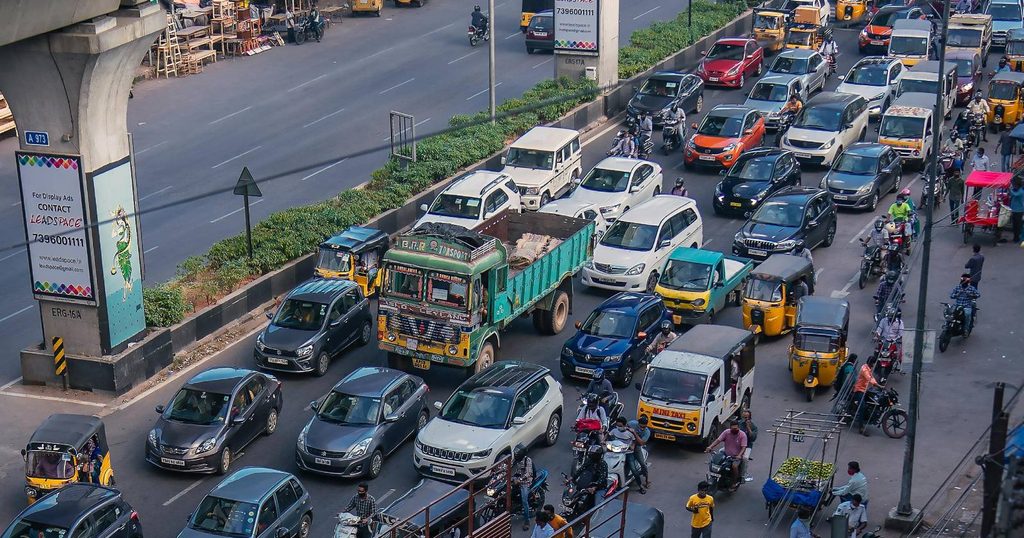
The festive period will tell if the high demand can sustain itself after the favourable base period. According to FADA, 75.57% of dealers surveyed were expecting sales growth in October, while 19.46% of dealers expected a stable market.
Inventory of passenger vehicles has also risen to around 43–45 days in September in preparation for the festive season. The manufacturers and dealerships will have to turn their bookings into deliveries without letting their unsold inventory increase.
What is Its Significance for Consumers Buying Cars?
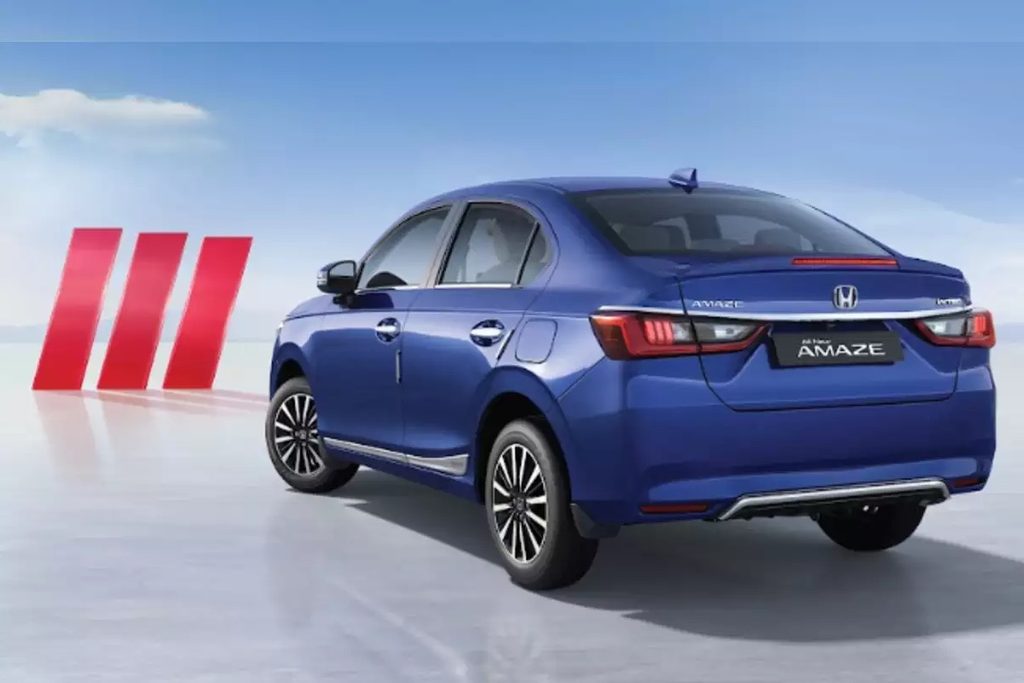
For consumers in India, affordability is more than just the cost before tax. Factors such as insurance, registration charges, finance interests, and fuel costs all contribute to the end budget of owning the vehicle.
Vehicle makers might counter with discounts during festive seasons, bonus schemes upon buying another car, and financing offers. Consumers must be cautious of the end road price and not focus on the discounts alone, especially when comparing models running on different types of fuel.
What Performance Car Buyers Need to Know
Although the news focuses on the car industry at large and not specifically a performance car, affordability also becomes an issue for those people purchasing performance cars. The purchase of turbo-petrol SUVs and performance cars entails higher premiums as well as costs related to tyres. Our opinion is that buyers need to consider their total cost of ownership first, rather than speed and power of the car.
FAQs
Why did auto sales shoot up in September 2026?
One reason was that September 2025 was a weak year-end with low customer purchasing due to the GST 2.0 cuts.
What does FADA caution against?
It cautions that increased vehicle prices may impact affordability, leading to reduced future demand.
How many passenger vehicles were sold in September?
Passenger vehicle retail sales stood at 4,27,213 in India.
Why is Diwali important to the automobile industry?
Festival-related buying will decide whether September’s good sales figures lead to sustained growth.
Conclusion
Despite India achieving record retail sales during September in its automobile segment, according to FADA, it should not be viewed as such without looking at the GST disturbance last year. The coming Diwali season shall be an important barometer of the true demand.
Affordability, management of dealer stock, and booking of orders to delivery shall be important considerations in future growth.