
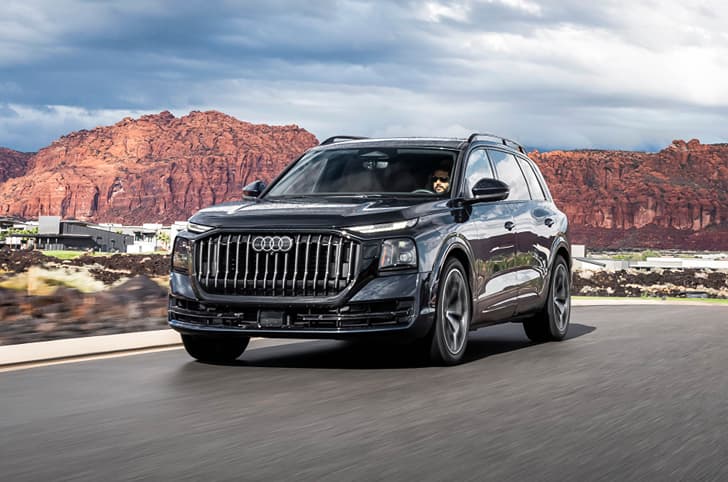
The 2027 Audi Q9 is likely to be the biggest ever produced by Audi, for customers demanding more room, comfort, and presence than the current Q7 provides. Featuring a three-row seating capacity, potent petrol V6 engines and latest suspension technology, the Audi Q9 is all set to compete with BMW X7 and Mercedes Benz GLS in the full-size luxury SUV class.
The upcoming flagship is anticipated to launch in India by second half of 2027. Audi is reportedly even exploring the option of manufacturing the Q9 in India.
2027 Audi Q9: Key Specifications
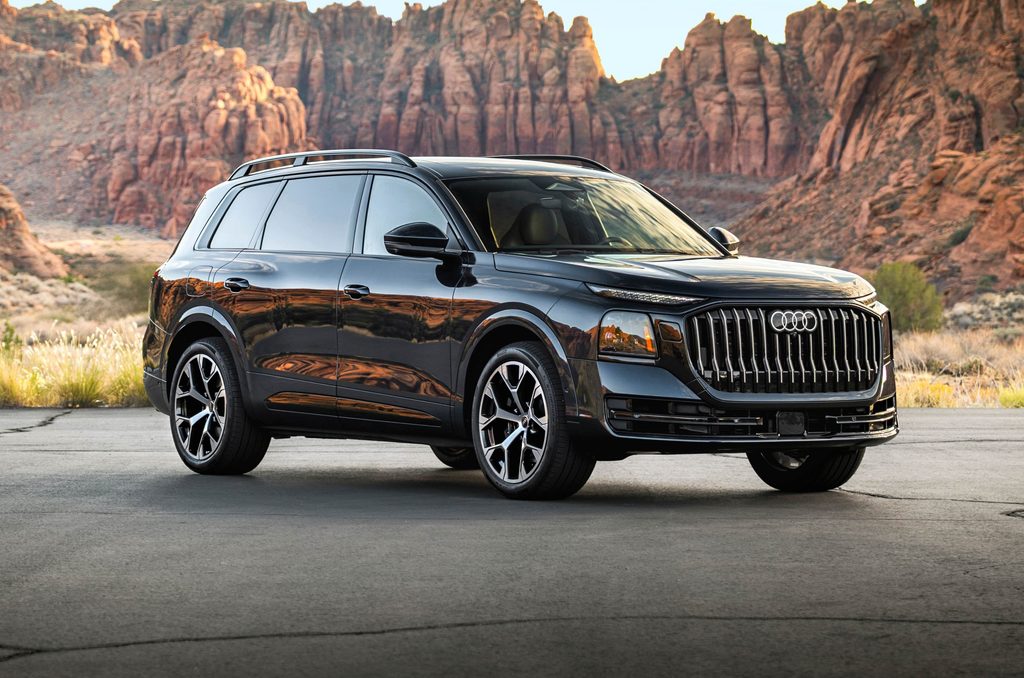
| Category | Details |
|---|---|
| Length | 5,310mm |
| Wheelbase | 3,137mm |
| India-spec engine | 3.0-litre V6 turbo-petrol |
| Expected power | 367hp |
| Expected torque | 500Nm |
| Transmission | 8-speed automatic |
| Drivetrain | Quattro AWD |
| Boot space | 280 litres with all rows up |
| Expected India price | ₹1.4–1.5 crore |
Exterior Design: Larger than Audi Q7
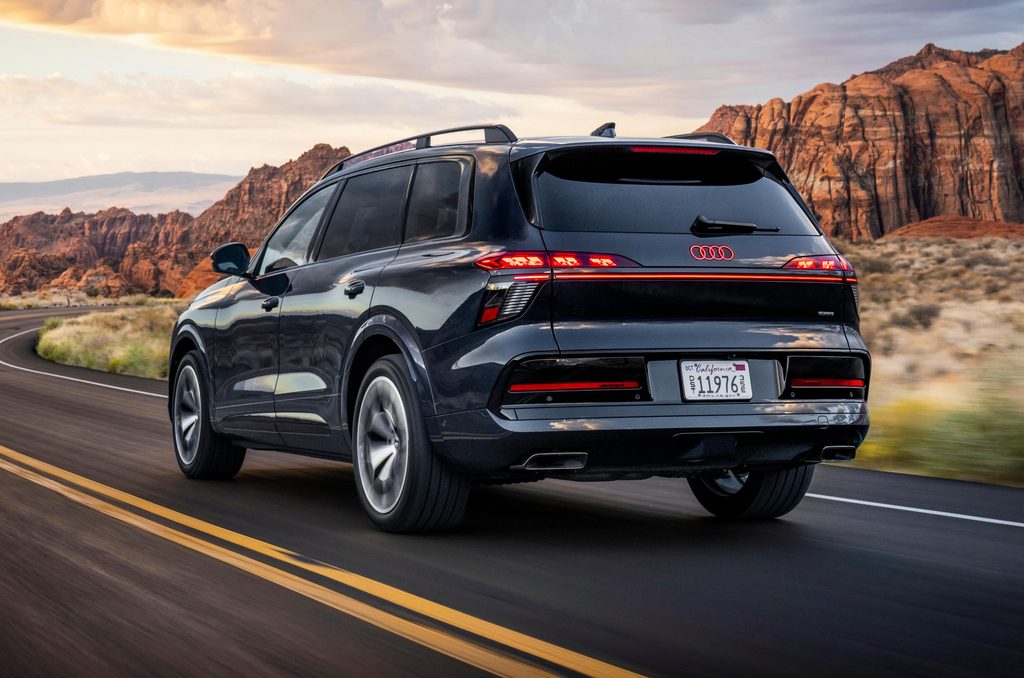
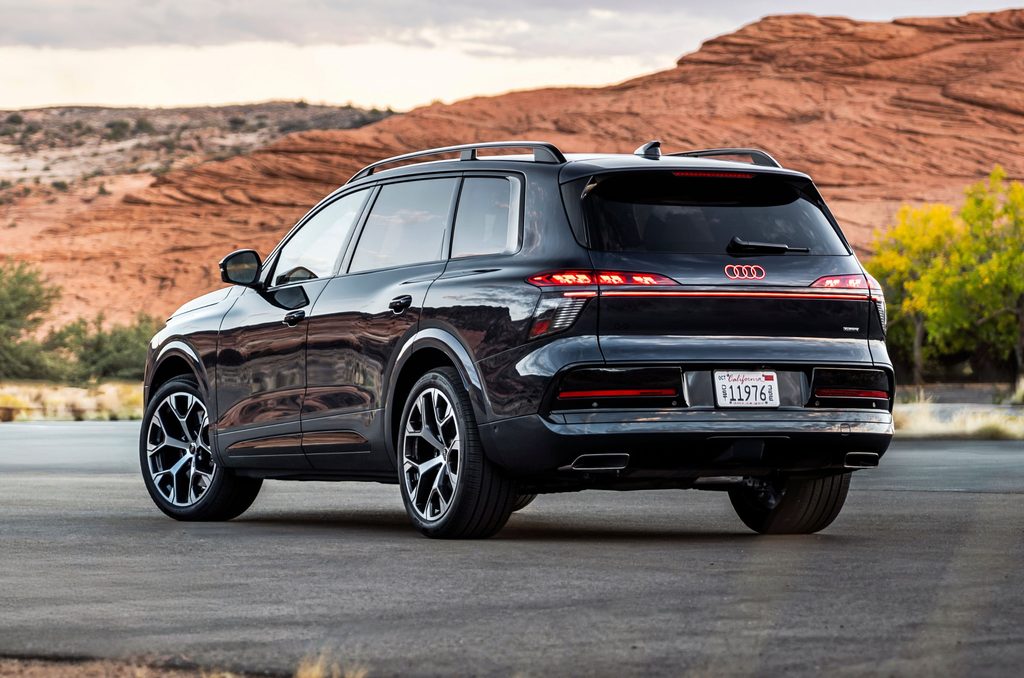
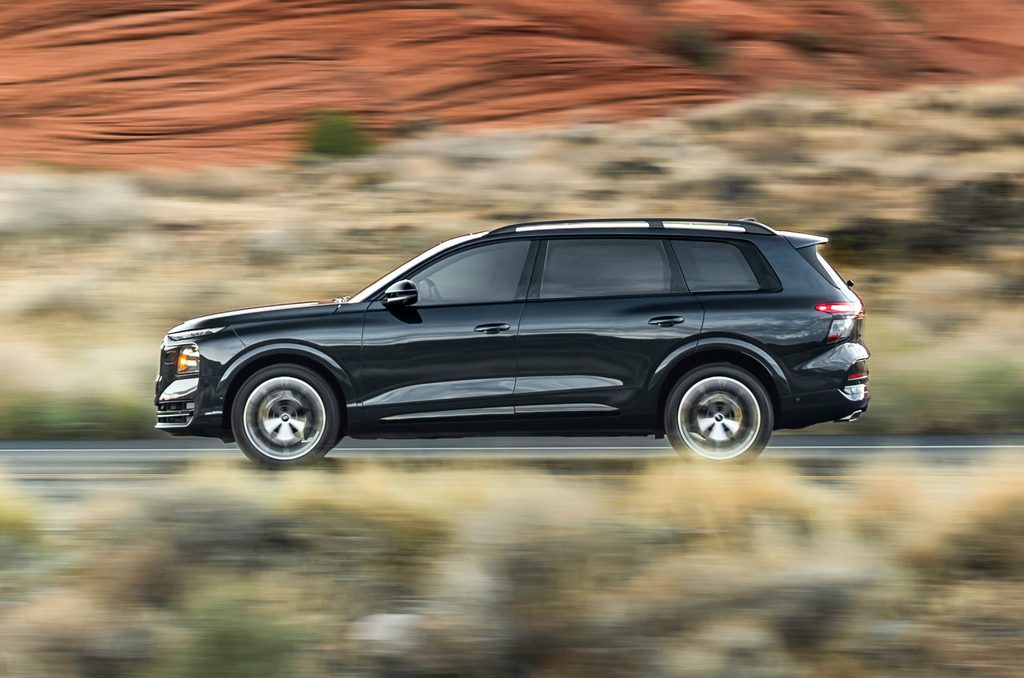
Audi Q9 is a 5.31m long vehicle, which is 251mm longer than the Q7. The huge grille has illuminated vertical bars and is accentuated by slender LED daytime running lights and OLED rear lights.
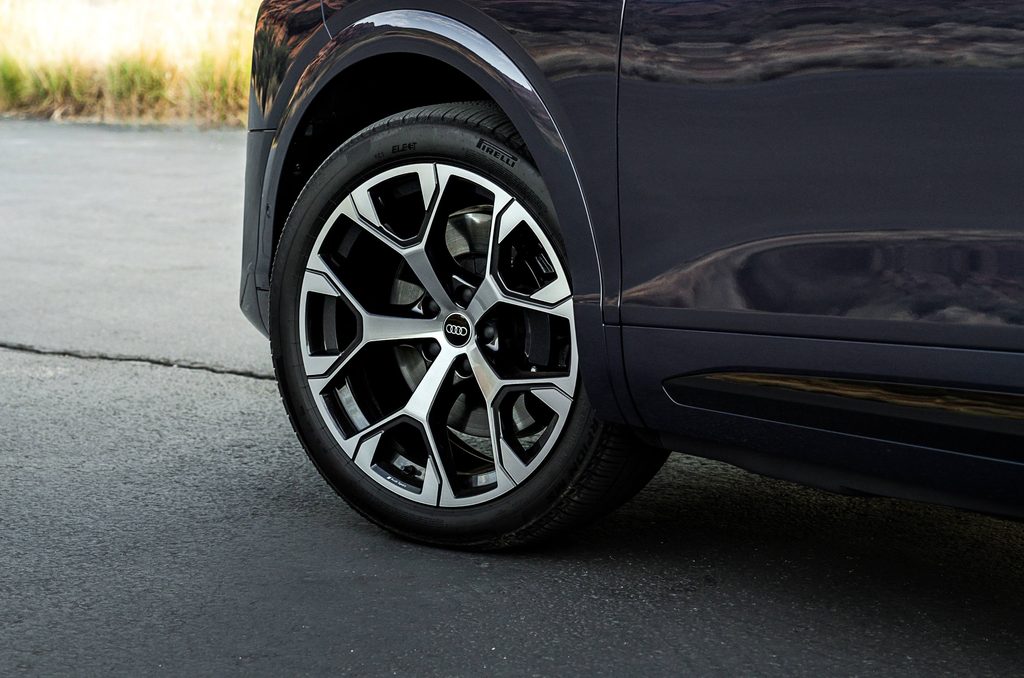
Choices in wheels vary from 20” to 23”. The tall rear window and wide tailgate highlight its massive size, while streamlined bodywork continues the subtle design philosophy of Audi.
Interior, Space and Features
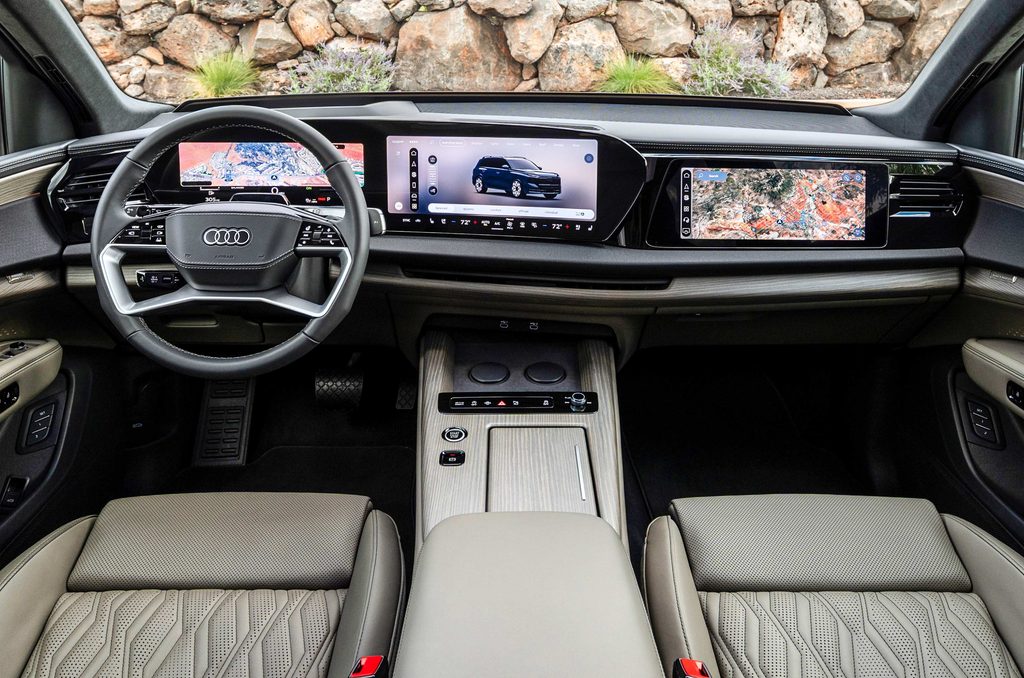
The interior contains three digital screens: 12.3 inch driver screen, 14.5 inch centre touch screen and 12.3 inch passenger screen. There are other premium features that include a panoramic roof, ambient lights, powered doors and 22 speaker Bang & Olufsen audio system.
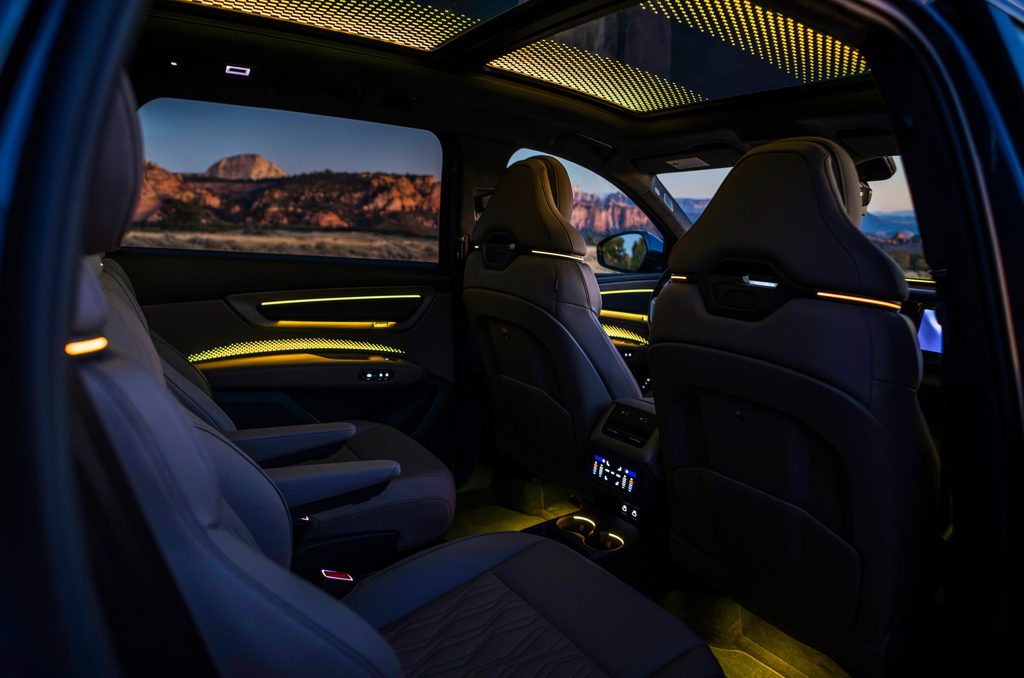
The second row seats have ample leg room, but powered captain’s seats are also available around the world. But the third row isn’t as spacious as expected from the outside, which makes it ideal for kids only.
The boot space with three rows up is 280 litres and rises to 700 litres when third row seats are folded down.
Engine, Performance and Ride Comfort
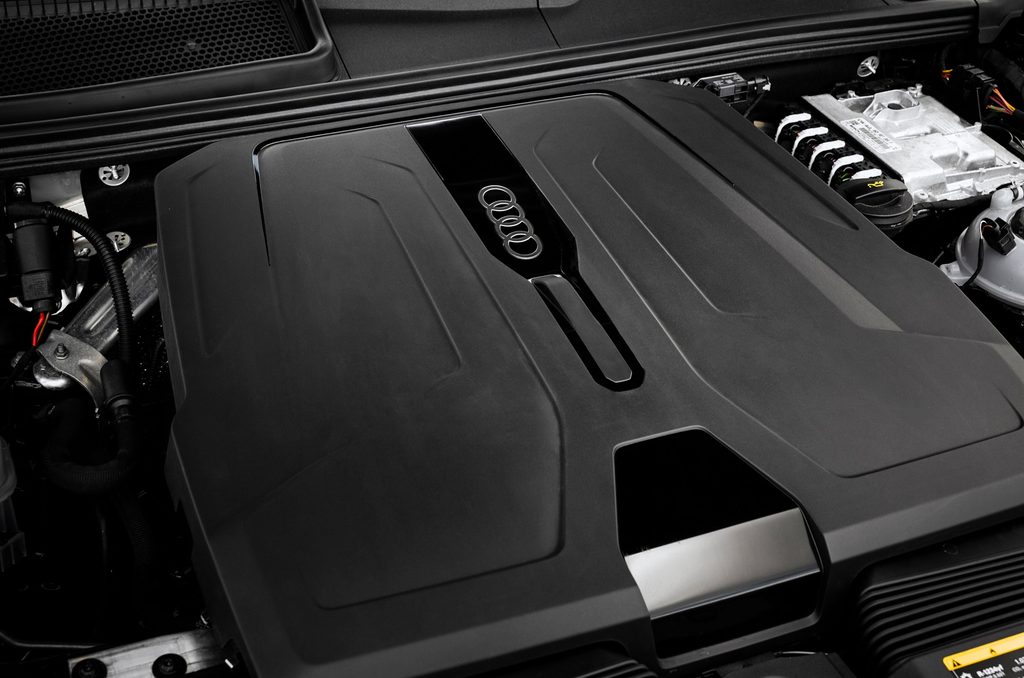
The India-version of the Audi Q9 is likely to come with a 3.0-litre turbocharged petrol engine. The engine will have V6 configuration and will generate 367hp along with torque of 500Nm. A 8-speed torque converter based automatic transmission transmits power to all four wheels via Audi’s Quattro technology.
Air suspension is one of the standard equipment which makes sure that both comfort and control of the vehicle are balanced. Rear wheel steering further makes manoeuvring easy for the long-sized SUV.
India Segment: Introduction, Cost and Competitors
The introduction of the Audi Q9 in India is scheduled for second-half 2027 at an estimated cost of ₹1.4-1.5 crore. There are plans to manufacture it locally, which could assist Audi in controlling costs.
Some of its main competitors would be the BMW X7 and the Mercedes-Benz GLS. The roominess of the second row seat area, high-end audio features and strong petrol engine would be the key aspects of its appeal.
Racing Capability: An Honest Opinion
The anticipated 367hp and 500Nm make up a good package of power delivery for a massive luxurious SUV. With its Quattro all-wheel drive system, air suspension, and an optional rear-wheel steering, we are quite sure that it will be able to keep its composure under acceleration and corners. But then, we think that due to its sheer bulkiness and heavyweight, it cannot be considered for proper circuit driving.
FAQs
When will the Audi Q9 launch in India?
It is expected to arrive in the second half of 2027.
What engine will the Indian Q9 get?
The expected engine is a 3.0-litre turbo-petrol V6 producing 367hp and 500Nm.
What will the Audi Q9 cost?
Its expected price is approximately ₹1.4–1.5 crore, ex-showroom.
Which SUVs will rival the Audi Q9?
Its primary rivals will be the BMW X7 and Mercedes-Benz GLS.
Conclusion
The Audi Q9 of 2027 combines the attributes of top-of-the-line size, advanced cabin technologies, and a strong petrol engine into the Audi SUV lineup. Second-row accommodation as well as comfortable ride might help it turn into a competitive luxury-family vehicle.
It remains to see how convincing its performance would be for the Indian market on account of price, local assembly, and third-row accommodation.